Sorts of Waterproofing: Discovering the Various Approaches and Their Applications
Waterproofing is a vital element of construction and maintenance. It shields structures from the harmful impacts of water damage. There are a number of techniques offered, each with its distinct applications and advantages. From membrane systems to cementitious remedies, understanding these options is important for efficient implementation. The choice of waterproofing technique can considerably affect sturdiness and longevity. Exploring these various techniques exposes their unique advantages and potential challenges, motivating more factor to consider of ideal solutions.
Membrane Layer Waterproofing Systems
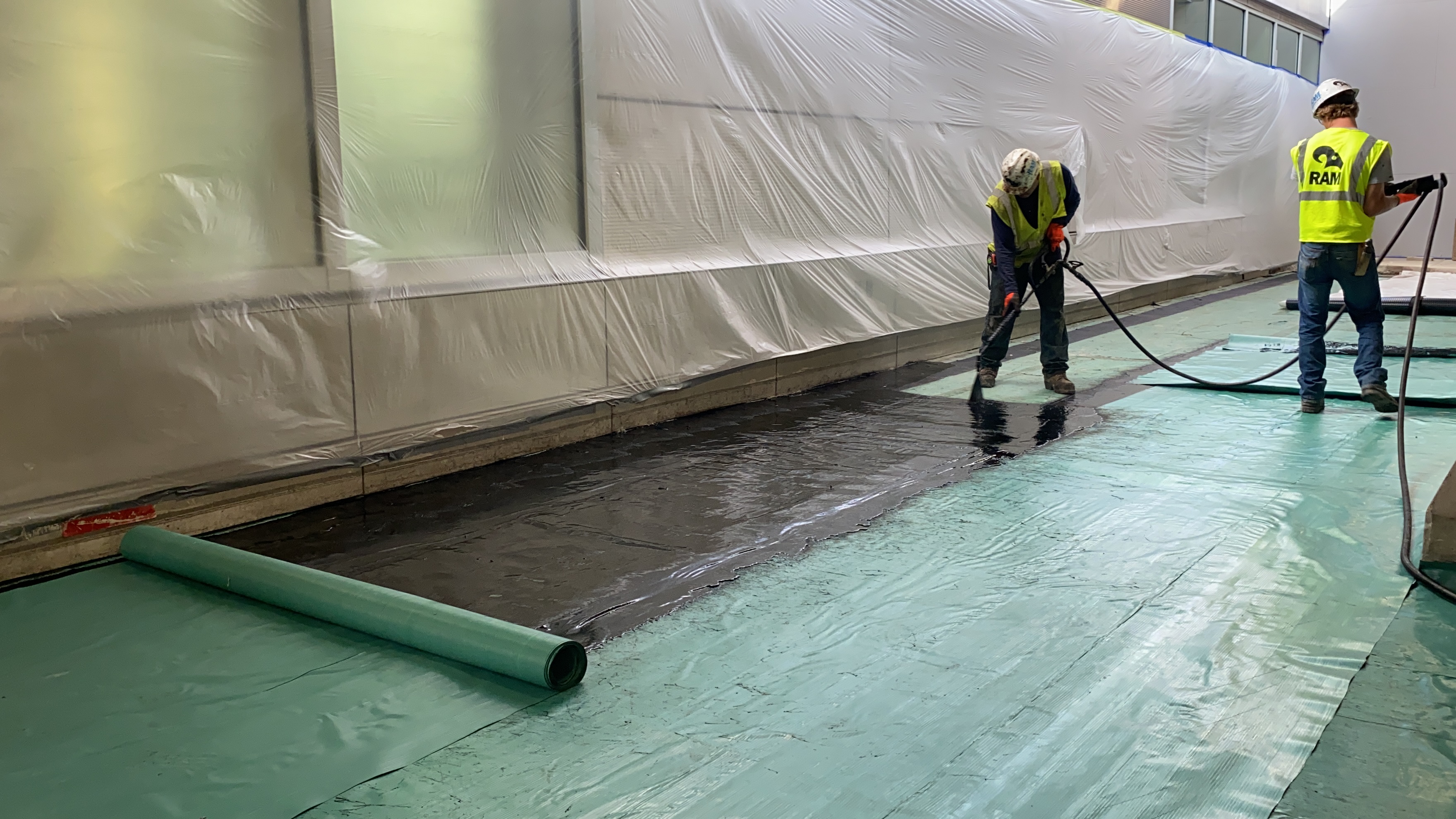
Membrane layer waterproofing systems serve as an essential barrier against water invasion in different structures. These systems normally contain thin sheets made from materials like rubber, polycarbonate, or asphalt, which are related to surface areas to stop moisture infiltration. They can be installed over or below quality and are especially effective in locations prone to high water direct exposure, such as basements, roofing systems, and foundations.The installment process entails cleaning up the substrate, applying adhesives or guides, and specifically suitable the membrane to guarantee complete coverage. Membrane systems can be either completely adhered, mechanically attached, or laid loose, depending on the details demands of the task. They use longevity and versatility, accommodating architectural movements without compromising their waterproofing capacities. Furthermore, these systems can be strengthened with added layers for enhanced security. Ultimately, membrane layer waterproofing systems are necessary for guarding frameworks versus water damage and preserving lasting stability.
Liquid-Applied Waterproofing Coatings
Liquid-applied waterproofing layers supply a versatile option for protecting surface areas from water infiltration - Water Solutions. These finishes consist of liquid materials that, when applied, develop a smooth, versatile membrane layer. Their versatility permits application on various substrates, including concrete, steel, and timber. The coatings can be made use of in diverse environments, from domestic to industrial settings, making them suitable for roofing systems, structures, and below-grade structures.One considerable benefit of liquid-applied layers is their capacity to adapt irregular shapes and permeate fractures, developing a robust barrier against moisture. They typically exhibit exceptional attachment properties and resistance to UV radiation, making certain longevity and sturdiness. In addition, the application procedure is generally simple, enabling quick setup and minimized labor prices. This approach additionally reduces the danger of water merging, as the constant layer properly directs water away from prone locations. In general, liquid-applied waterproofing finishes are an effective selection for complete water protection
Cementitious Waterproofing Solutions
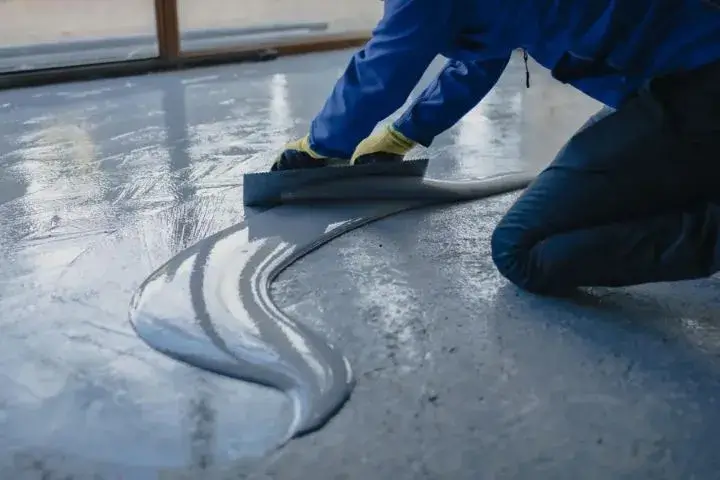
Cementitious waterproofing options provide a durable choice for structures needing trusted dampness security. These systems largely use a blend of cement, sand, and chemical ingredients to produce a water resistant barrier. They are commonly put on surface areas such as concrete walls, structures, and floorings, offering a durable, resilient protection versus water intrusion.One of the essential benefits of cementitious waterproofing is its ease of application; it can be applied making use of a brush, roller, or spray, making it ideal for different job sizes. Additionally, this method works with lots of surfaces and can often be used along with various other waterproofing techniques.Cementitious remedies are particularly reliable in atmospheres where water direct exposure is a problem, such as basements or below-grade frameworks. waterproofing systems Their excellent bond buildings guarantee that they bond well with substrates, giving a solid and impermeable layer against moisture penetration.
Bentonite Waterproofing
Bentonite waterproofing is an extremely efficient technique that makes use of salt bentonite clay to develop a natural barrier against water. This technique manipulates the one-of-a-kind residential properties of bentonite, which increases upon call with water, securing any kind of potential leakages and protecting against dampness seepage. It is typically utilized in different applications, consisting of structure walls, passages, and keeping walls, where water resistance is essential.Bentonite can be applied in a number of forms, such as panels or blankets, supplying adaptability in installment. Its ability to self-seal makes it an appealing choice for locations subject to changing dirt or fluctuating water levels. In addition, bentonite waterproofing is ecologically pleasant, as it is an all-natural material that does not introduce hazardous chemicals into the surroundings.
Drain and Outside Waterproofing Equipments
Effective waterproofing frequently entails a mix of techniques, consisting of drainage and outside systems. Water drainage systems, such as French drains pipes and sump pumps, are designed to redirect water away from structures, decreasing hydrostatic stress versus structures. These systems are crucial in preventing water accumulation that can lead to structural damages and mold growth.External waterproofing, on the waterproofing inc other hand, involves using protective obstacles to the building's outside. Techniques such as the installation of water-proof membrane layers, coatings, or sealers can help stop water infiltration. This method not just protects the structure but additionally enhances the general durability of the structure.Together, drain and external waterproofing systems create a complete solution to handle water properly. By carrying out these strategies, homeowner can secure their investments versus the destructive results of moisture, making certain long-lasting stability and safety for their structures.
Frequently Asked Inquiries
How Do I Choose the Right Waterproofing Technique for My Project?
Selecting the right waterproofing technique relies on elements such as job type, environmental conditions, budget, and wanted long life. Reviewing these facets permits for notified decisions tailored to certain requirements and needs.
Can Waterproofing Be Applied in Winter Issues?
Waterproofing can be applied in cool climate conditions, but it needs certain products and methods. Cold temperature levels might affect treating times and adhesion, demanding mindful choice of products created for low-temperature application.
What Are the Common Indications of Waterproofing Failure?
Typical signs of waterproofing failing consist of noticeable water stains, peeling paint, moist smells, mold and mildew development, and fractures in wall surfaces or structures. Drainage & waterproofing company Omaha. These indications recommend that dampness is passing through the obstacle, jeopardizing its performance
The Length Of Time Does Waterproofing Last Prior To Needing Maintenance?
The longevity of waterproofing varies, typically lasting between 5 to one decade. Factors check my source such as material high quality, ecological problems, and upkeep techniques influence its longevity, requiring regular assessments to guarantee reliable security against water invasion.
Are There Eco-Friendly Waterproofing Options Available?
The question of environment-friendly waterproofing options discloses an expanding interest in sustainable materials (Sump pump discharge drainage Omaha). Different all-natural compounds, such as plant-based sealants and recycled items, provide reliable options while lessening ecological effect, appealing to eco conscious customers
Comments on “Sump pump installation & replacement Omaha: The Beginner’s Guide”